Secrets to Building Your Toddler's Self-Esteem... And Why the Playroom Is Where It Starts
Secrets to Building Your Toddler's Self-Esteem.. And Why the Playroom Is Where It Starts
By Nikki Benbenek, Co-Founder of Blueberry and Third
I have two daughters. And like most parents, one of the things I think about most — quietly, in the back of my mind, pretty much constantly — is how to raise them to feel confident. Not the performed kind of confidence, where they say the right things at the right time. The real kind. The kind that lives in their bodies, that tells them they can try hard things, fall down, get back up, and try again without falling apart.
What I have learned, both as a mom and as the co-founder of a children's furniture company rooted in Montessori principles, is that genuine self-esteem in toddlers is not built through praise. It is built through mastery. And one of the most powerful, most underestimated places to build it is through balance play in the playroom.
Here is what the research says, and here is how you can use it today.

The Connection Between Physical Mastery and Self-Esteem
Self-esteem is not something we can give our children by telling them they are wonderful. It is something they build themselves through the experience of doing hard things successfully. Research published in ScienceDirect found that children acquire self-confidence and self-esteem as a result of successful experiences, particularly in the motor domain. In other words, when a toddler masters a physical challenge — balancing across a beam, holding steady on a wobble board, making it to the end of an obstacle course — they are not just developing gross motor skills. They are building the internal belief that they are capable, competent, and resilient. Blueberry and Third
Successfully navigating a balance beam or maintaining stability on a wobble board provides a tangible sense of accomplishment that children feel in their bodies before they can articulate it in words. This is exactly why balance toys are so uniquely powerful for building toddler self-esteem — the feedback is immediate, physical, and completely owned by the child. Nobody gave it to them. They earned it. Blueberry and Third

Why the Balance Beam Specifically Builds Confidence
Of all the balance toys and playroom furniture pieces available, the modular kids balance beam is the one I come back to most often when I think about confidence building — and there are specific reasons why.
The first is the progressive challenge structure. A balance beam for kids is low to the ground, which means the physical risk is minimal while the cognitive and motor challenge is very real. A toddler who has never walked a beam has to figure out how to distribute their weight, focus their attention, slow their movements, and trust their body all at once. The first time is hard. The second time is a little easier. By the tenth time, they are walking it with a confidence that is unmistakably different from how they walked in the door.
This process cultivates a healthy sense of risk-taking within safe boundaries — the child learns that falling does not mean failing. Ultimately, this mastery contributes to self-esteem and emotional regulation, empowering them with a can-do attitude that extends well beyond the playroom. Blueberry and Third
The second reason is the modular design. Because children build the Blueberry and Third Balance Beam themselves — connecting beams, choosing configurations, designing their own obstacle courses — they are experiencing the full cycle of challenge and mastery repeatedly, not just once. They build something. They conquer it. They make it harder. They conquer it again. Each cycle adds another layer to that internal foundation of confidence. Each reconfigured course is a problem they solved on their own terms.

The Role of the Playroom Environment in Self-Esteem Development
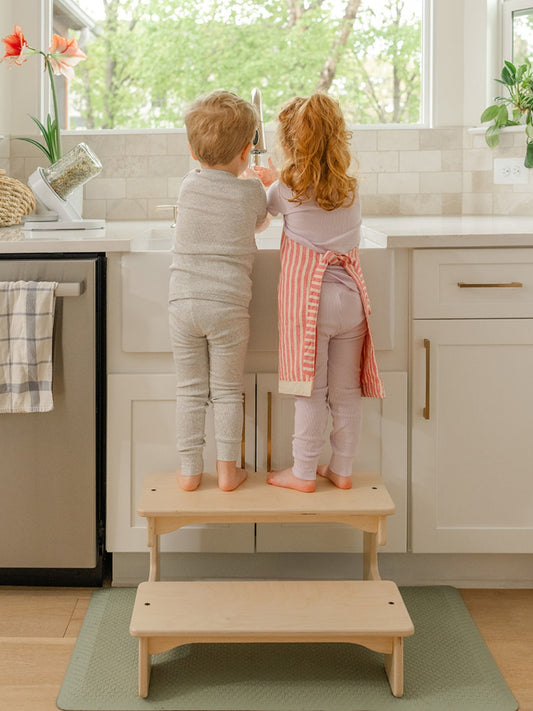
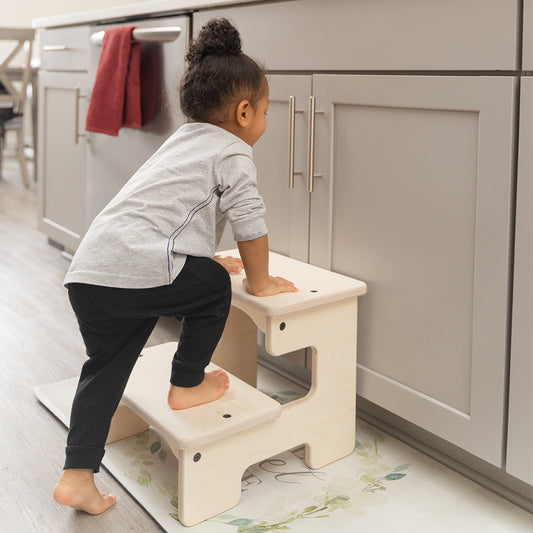
Montessori philosophy has always understood something that research now confirms: the environment shapes the child. When you design a playroom with open-ended Montessori toy and balance equipment that children can access, control, and master independently, you are creating a space that sends a very specific message — you are capable, you can do this on your own, and this space was made for you.
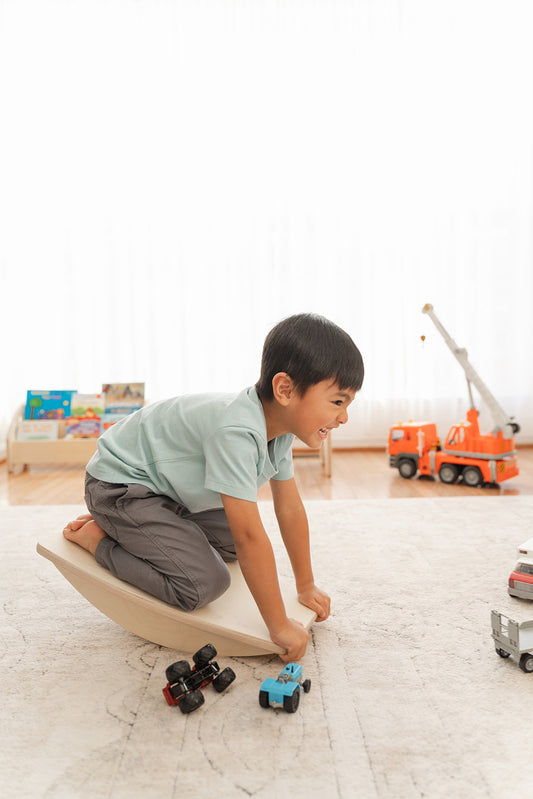
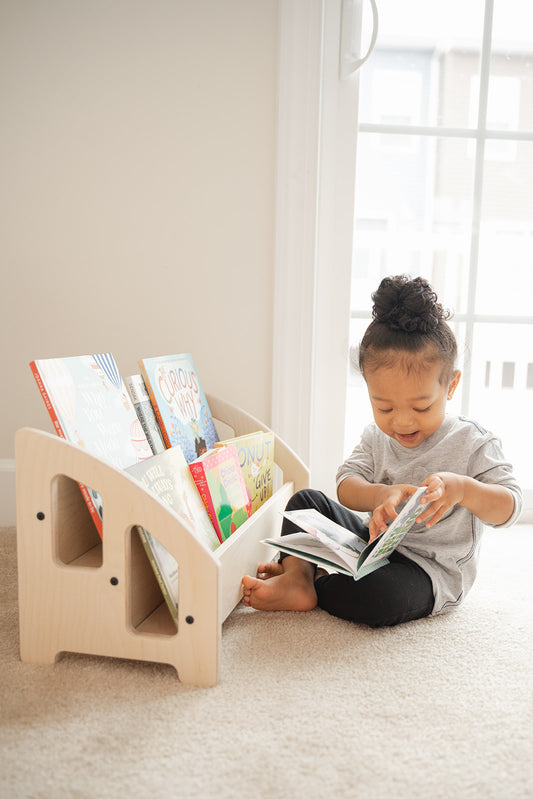
A calming corner with a balance board for quiet sensory regulation. A movement zone anchored by a modular balance beam and a Wobble Beam for active gross motor play. A Montessori bookshelf at child height stocked with books they can choose themselves. These are not just aesthetic choices. They are environmental messages about capability and independence that your toddler receives every single day.
Gross motor development directly supports confidence and self-esteem, and is arguably one of the most important life skills of early childhood — along with the ability to assess risk and take on challenges. When we give children a playroom environment designed around movement, mastery, and independence, we are not just filling a room with beautiful furniture. We are building the foundation of who they are going to become. Blueberry and Third
Practical Ways to Use Balance Play for Confidence Building Starting Today
Start simple. For toddlers aged 1 to 2, place the Balance Beam in a straight line on a soft play mat and walk alongside them the first few times. Then step back and let them do it alone. Resist the urge to catch them before they wobble — the wobble is the whole point.
Add challenge gradually. As they grow more confident, introduce the Balance Board alongside the beam for a full movement circuit. Then add the Wobble Beam for an extra layer of challenge. Let them design their own obstacle courses using the modular beams. Ask them what they want to build next. Watch what happens to their posture, their focus, and their pride when they complete something they designed themselves.
Celebrate the attempt, not just the success. When they fall off the beam, say "you tried something really hard — get back up and try again." When they make it across, let them see your genuine joy. Not over-the-top praise, but real acknowledgment of real effort. That combination — a challenging environment, consistent opportunity for mastery, and authentic recognition of effort — is the formula for durable, embodied self-esteem that carries children through childhood and beyond.
The balance beam is not a toy. It is a confidence-building tool disguised as the best gift for a 3 year old boy or girl you have ever given. And it starts working from the very first wobble.

Other articles for reference:
For other resources:
Kids Playroom Design and Why Balance Has Come First
How to Create a Montessori Movement Area At Home
What Age is Best For Balance Board
Best Wooden Toys for 2 Year Olds.. and Why The Balance Board Tops the List